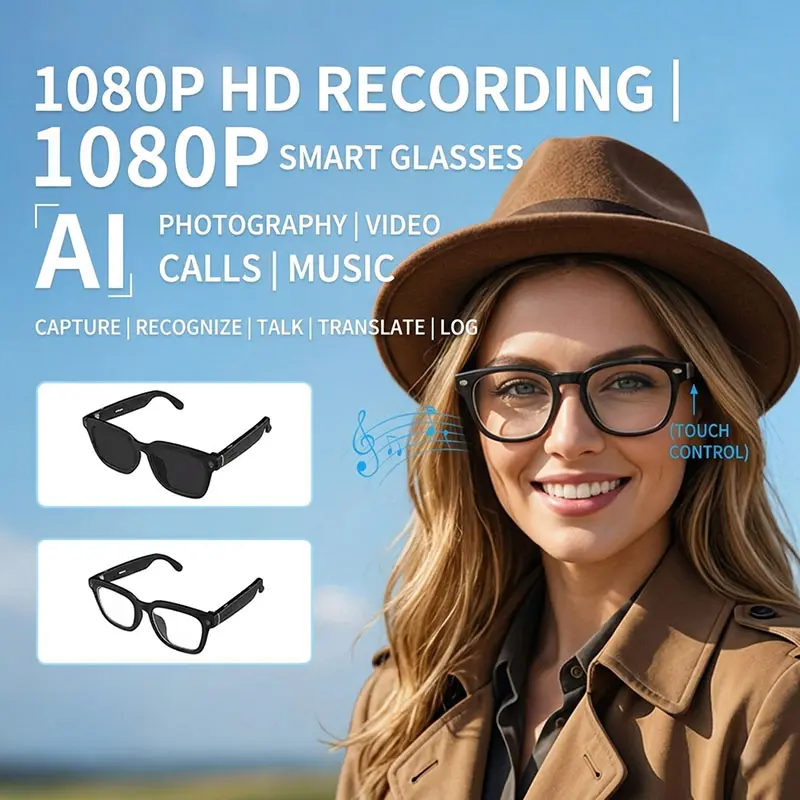
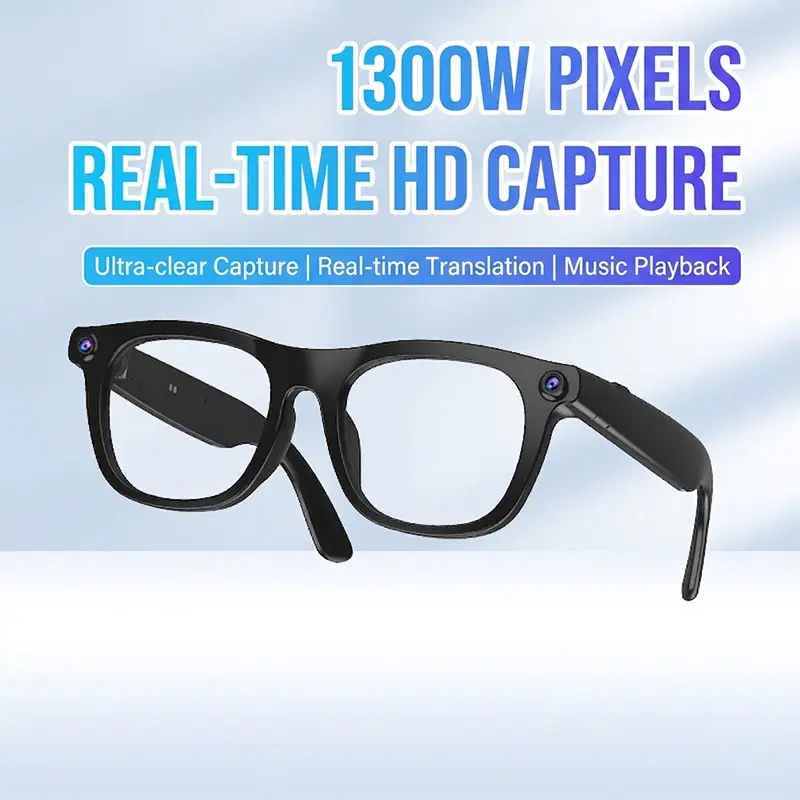
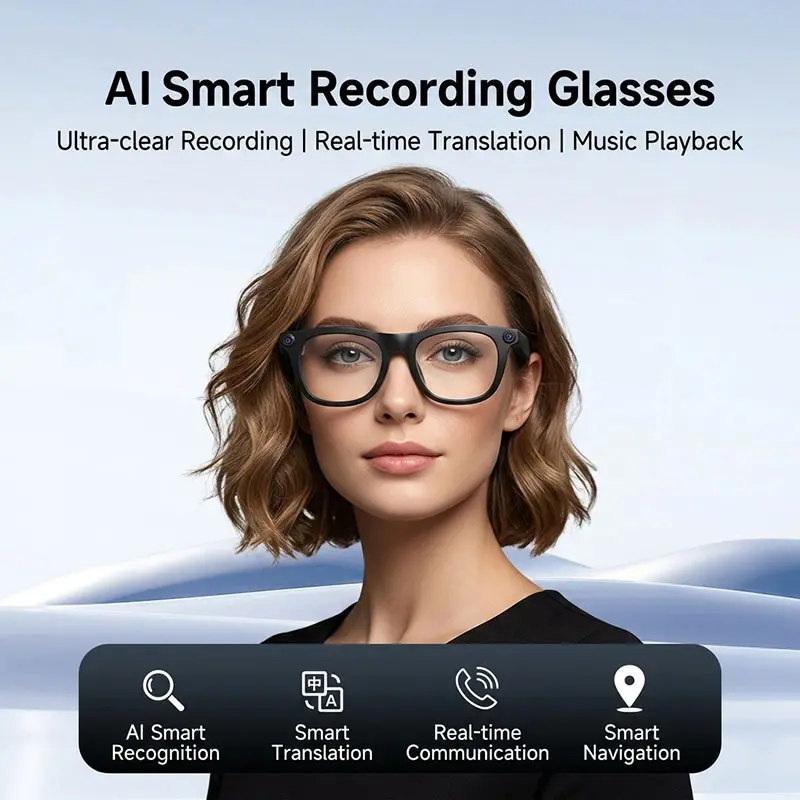
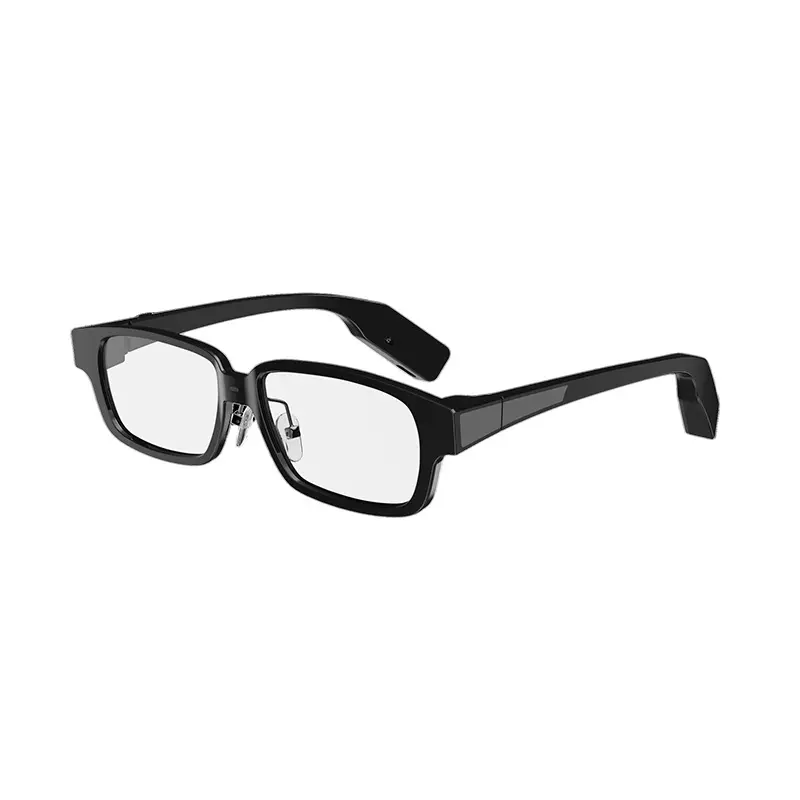
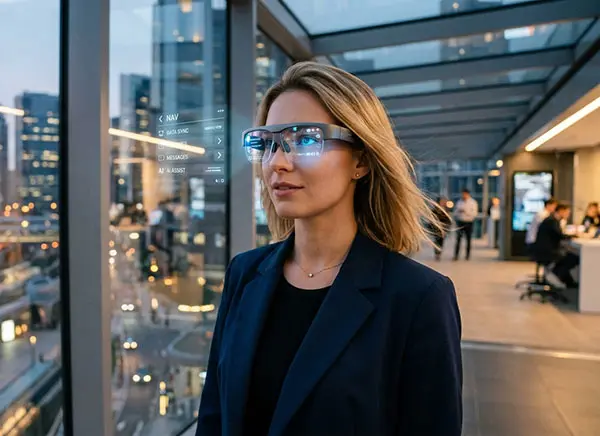
Featherlight at 25g
Millisecond Response
Hardwired Privacy
Products Categories
Main Products
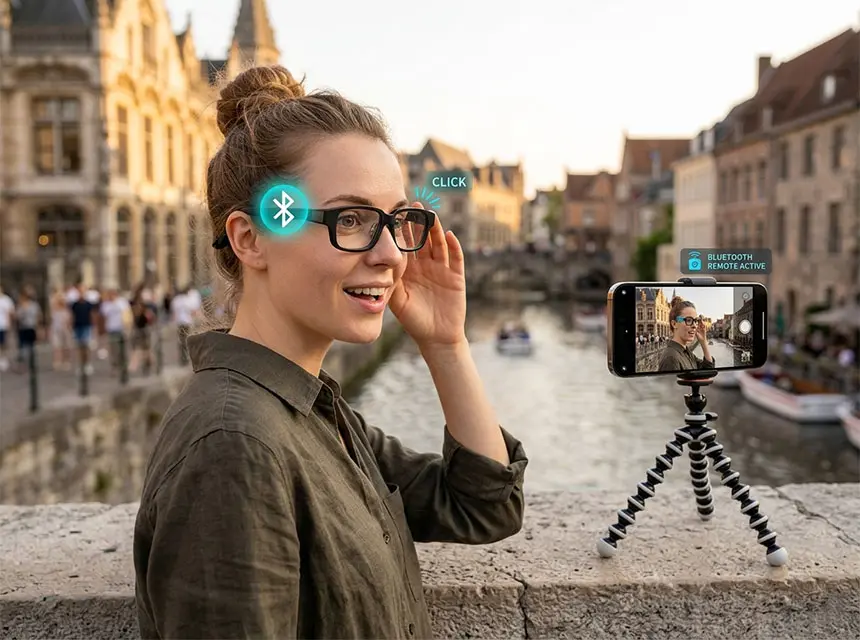
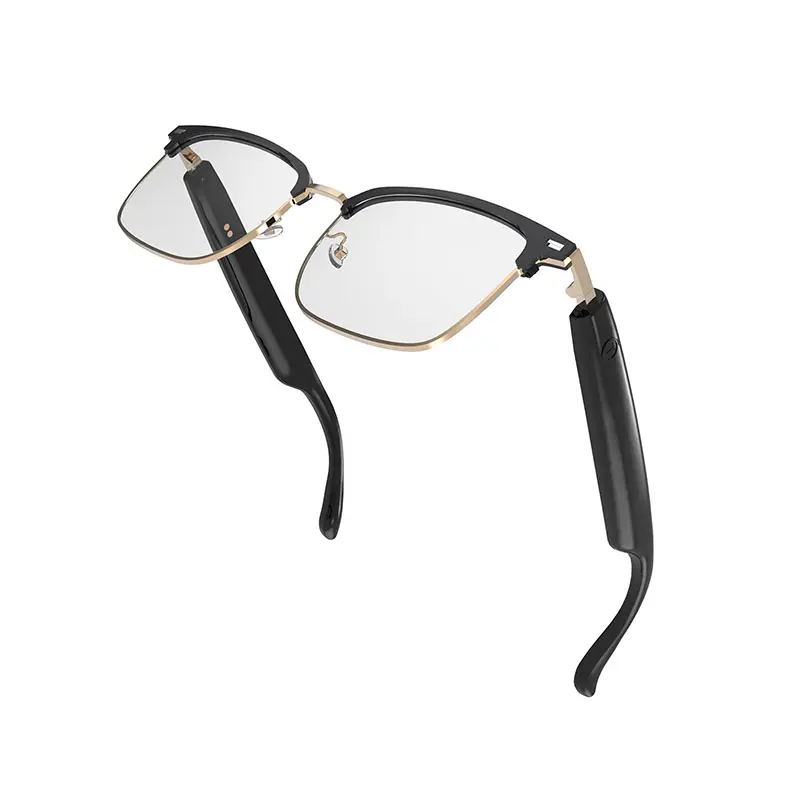
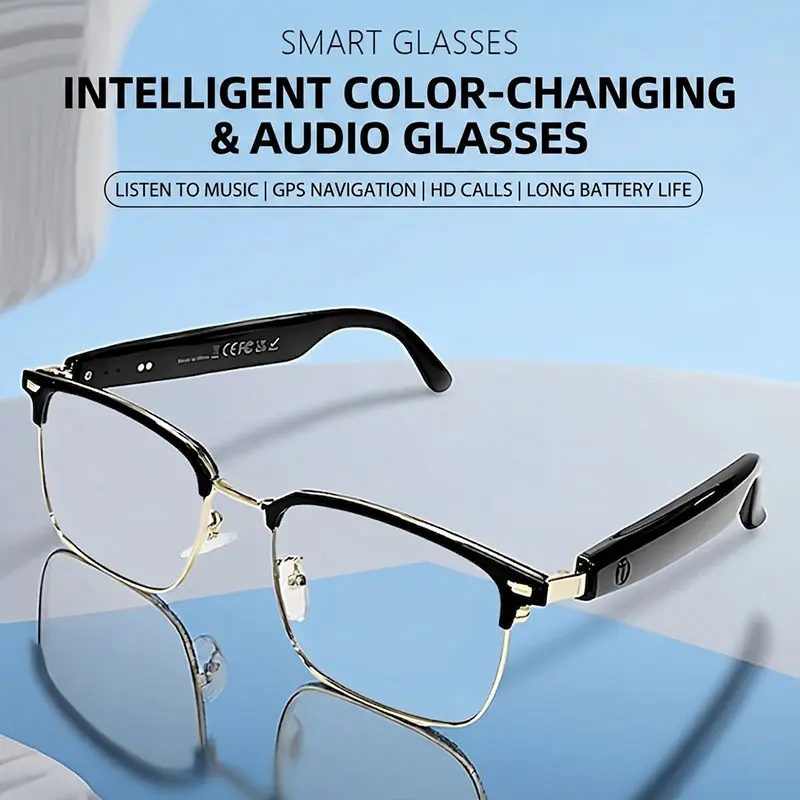
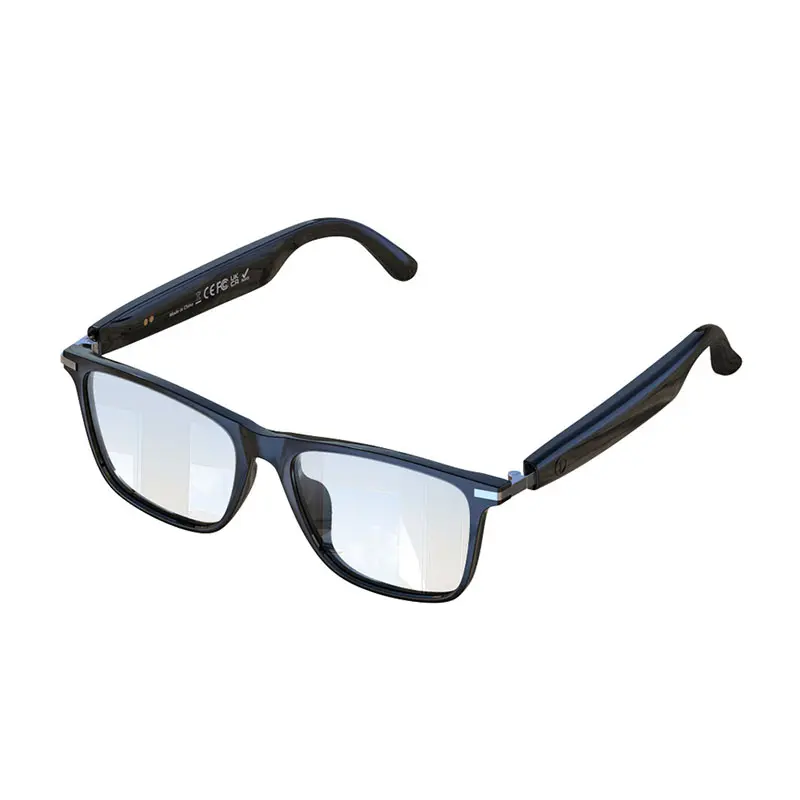
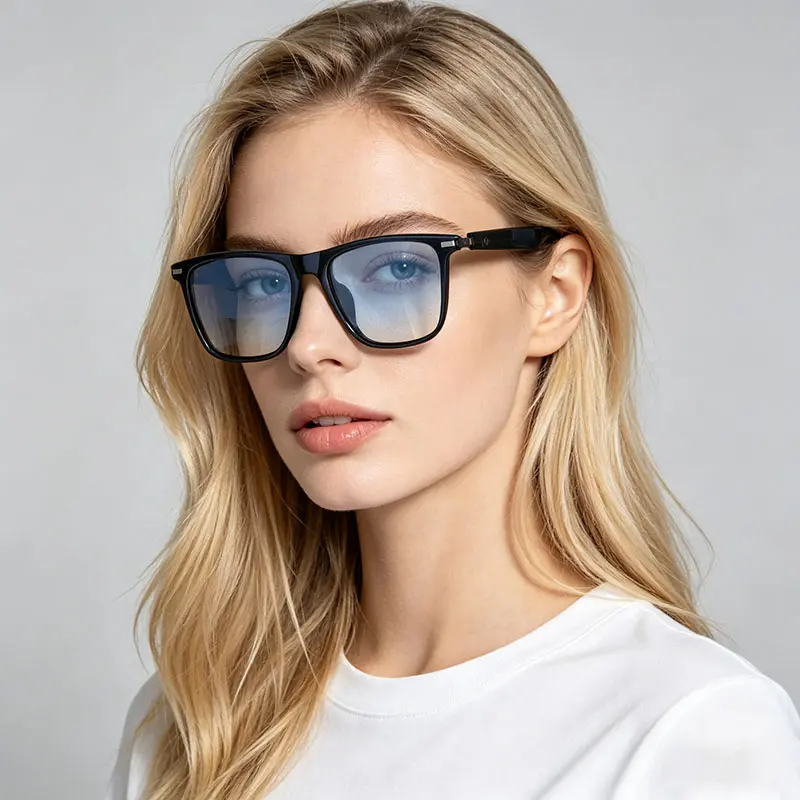
Smart Bluetooth Glasses – 25g Open-Ear OEM
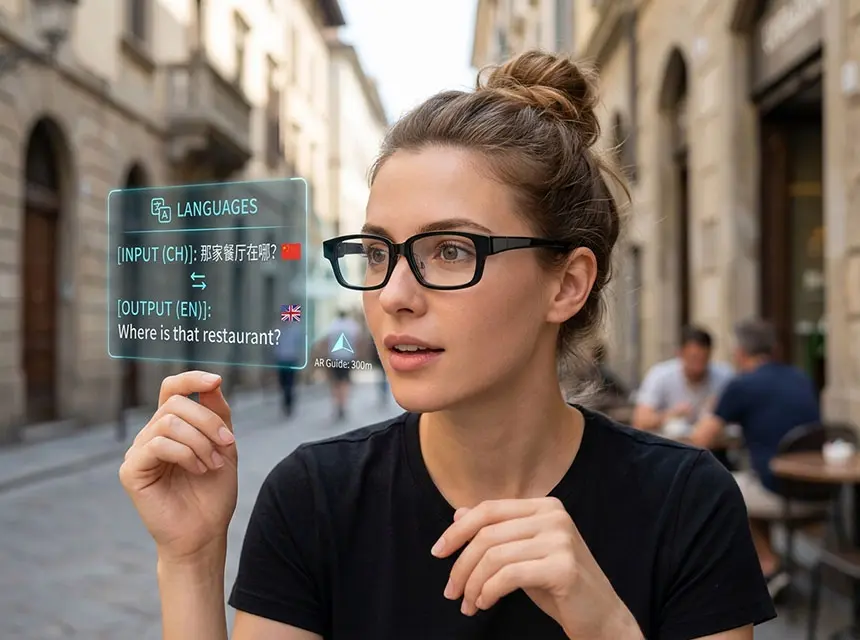
AI Translation Glasses – Real-Time 40+ Language OEM
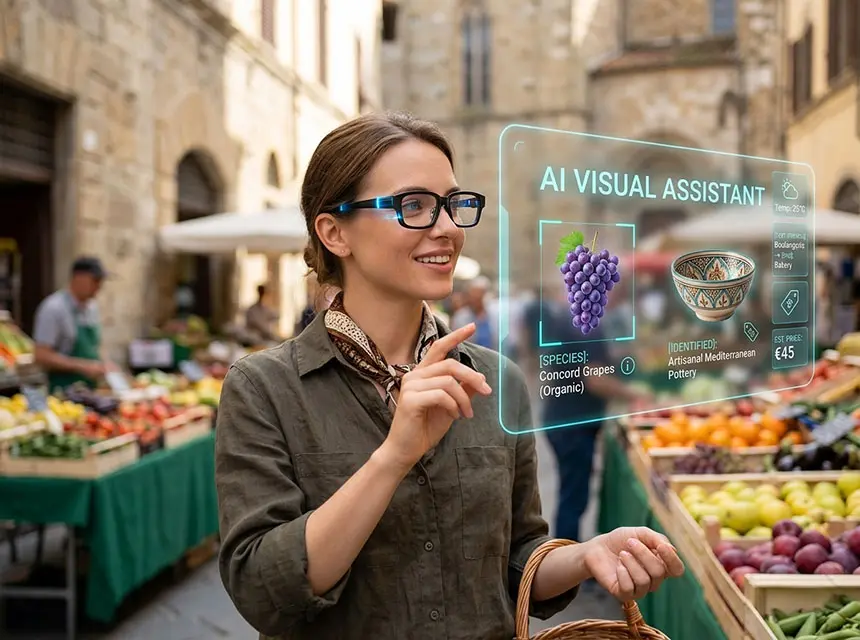
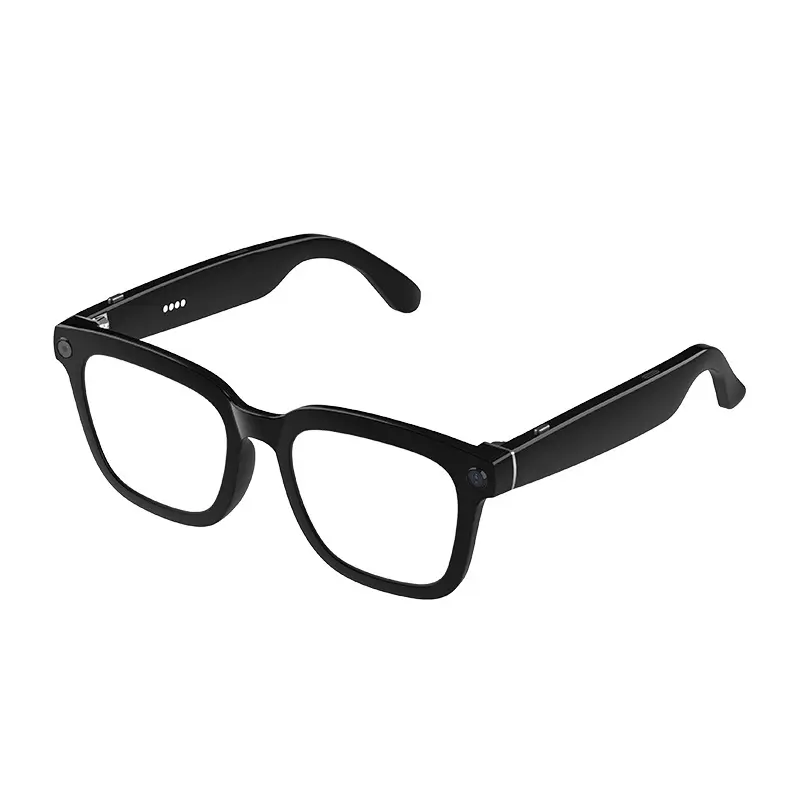
8MP AI Camera Glasses – HD Photo & Privacy Light OEM
13MP AI Camera Glasses – HD Video Recording OEM
AI + AR Smart Glasses – Waveguide Translation OEM
Full-Color Waveguide AR Glasses – AI Smart Eyewear OEM
AI Camera Video Glasses – Translation & Capture OEM
AI Live Streaming Glasses – Hands-Free Broadcast OEM
Hot Selling
Product Application
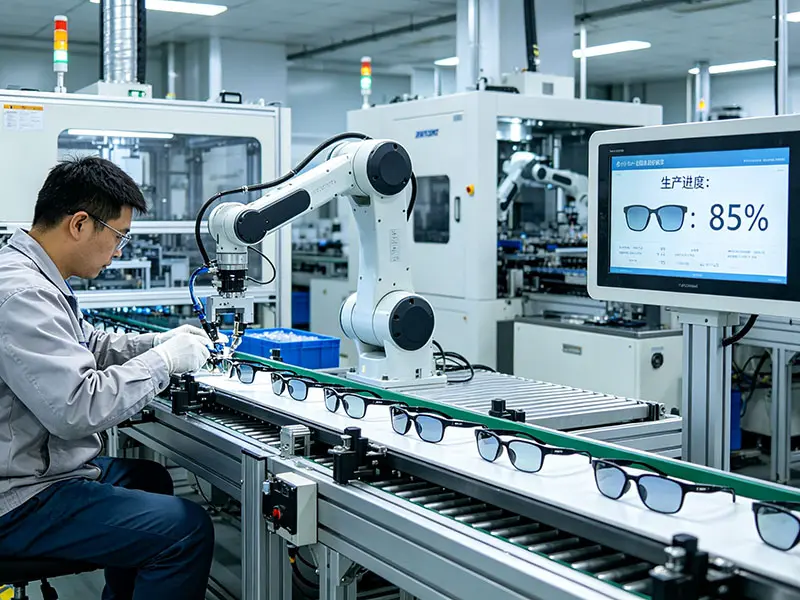
About Us: AI glasses manufacturer
AI Sense Glass: See Beyond the Ordinary
In an era where technology was still finding its way out of bulky screens and handheld devices, a small group of visionaries gathered in a dimly lit lab. They asked a simple yet radical question: What if intelligence wasn’t something you held, but something you wore? That question became the spark. That lab became the birthplace of AI Sense Wearable. And the first answer to that question was AI Sense Glass.
Long before smart glasses became a buzzword, the founders of AI Sense Glass were already deep in uncharted territory. While the world was busy with phones and watches, they were experimenting with transparent displays, miniature processors, and context-aware AI. They were among the first merchants and pioneers to fully commit to the idea that augmented intelligence should sit lightly on your nose—not in your pocket.
The journey was far from easy. Early prototypes were clunky, battery life was a nightmare, and the industry called them dreamers. But the team at AI Sense Wearable believed in one thing: true innovation is invisible. It doesn’t interrupt your life; it elevates it. After years of silent iteration, they unveiled the first generation of AI Sense Glass—and the world began to see differently.


What can AI Glass Do ?
Playlist
0:28
0:16
0:16
Frequently Asked Questions
Answer: Privacy is a major concern for both manufacturers and regulators. Our AI glasses include visible indicators — such as an LED light — that automatically turn on when the camera or microphone is active, making it clear to people around you that recording is in progress. Additionally, many models rely on voice commands or physical buttons to start recording, rather than continuous or stealth capture. Data is typically processed locally on the device or encrypted during transmission, and cloud-based features often require explicit user consent. However, it’s always recommended to follow local laws (e.g., EU’s GDPR or US state-specific consent laws) and social etiquette when using any recording device in public or private spaces.
Answer: Current AI glasses typically offer 2–6 hours of active use (e.g., continuous video recording, real-time language translation, or AI assistant queries) before needing a recharge. For standby or light use — like receiving notifications, listening to music, or occasional voice commands — some models can last up to 10–12 hours. A full day of mixed use usually requires recharging once, often via a magnetic or USB-C cable. Many glasses come with a compact charging case (similar to wireless earbuds) that provides 2–3 extra full charges on the go. If you rely heavily on camera-powered AI features, be prepared to charge midway through the day or carry the case.
Answer: Yes, most AI glasses are designed as smartphone companions. They connect via Bluetooth and Wi-Fi to popular ecosystems like iOS (iPhone) and Android. Basic features — such as hands-free calls, music playback, and notification mirroring — work cross-platform. However, advanced AI features (e.g., live translation, visual search, or real-time navigation overlays) often require the manufacturer’s dedicated app, which is usually available on both the App Store and Google Play. It’s worth noting that some features may be optimized for one platform (e.g., deeper integration with Google Assistant on Android or Siri shortcuts on iPhone), so checking compatibility with your specific phone model and OS version before purchase is recommended.